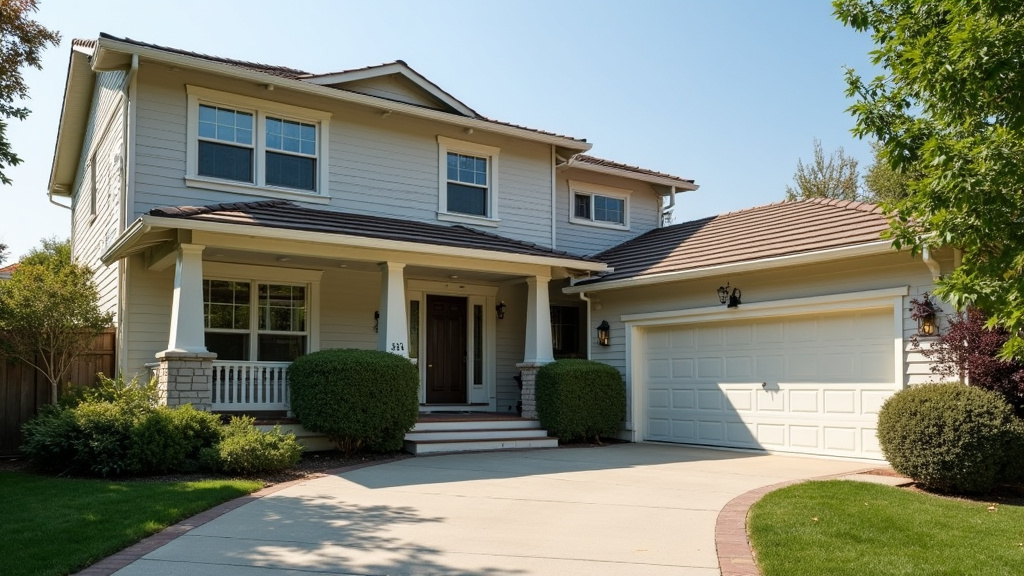
Siding, a fundamental aspect of home construction and renovation, plays an important role in defining a building’s aesthetics and structural integrity. It protects structures from the elements, enhances curb appeal, and can significantly impact energy efficiency. However, the vast array of siding options—from traditional wood to modern fiber cement and vinyl—can be overwhelming for homeowners. Ensuring proper installation and adhering to local building codes and permit requirements adds complexity. This article provides a practical guide to navigating the world of siding, offering insights into types, installation, legal considerations, and environmental impacts. By the end, you’ll be equipped to make informed decisions, ensuring your the service project is a success.
Preview of Solutions: We’ll examine best practices for choosing and installing various the service types, highlight the growing importance of eco-friendly materials, and provide clear directions for navigating the legal field.
Understanding The service Materials and Their Durability
When selecting the service for your Austin home, understanding the durability and performance of different materials is important. The choice of the service significantly impacts your home’s curb appeal, energy efficiency, and long-term investment value. Let’s examine the world of the service materials, focusing on their inherent qualities and how they hold up over time.
Durability and Longevity
The service materials vary widely in their durability, a factor influenced by factors like manufacturing processes, exposure to elements, and environmental conditions. Fiber cement the service, a popular choice in Austin, is renowned for its exceptional durability. This material, often made from a mix of cement, fiberglass, and water, is designed to withstand extreme temperatures, heavy rains, and even fire. According to a 2020 study by the National Association of Home Builders (NAHB), fiber cement the service can last up to 50 years with proper installation and maintenance, making it a smart investment for homeowners looking for long-term protection. In contrast, wood the service, while aesthetically pleasing, requires more upkeep due to its susceptibility to rot, pests, and weather damage, with an average lifespan of 25 to 30 years.
Energy Efficiency and Environmental Impact
Beyond durability, the choice of the service material matters in your home’s energy efficiency. Energy-efficient the service options, such as vinyl and insulated fiber glass, can contribute to lower heating and cooling costs. Vinyl the service, a low-maintenance option popular in Austin, offers excellent insulation properties and can reduce heat transfer, leading to a more comfortable indoor environment and reduced energy bills. According to the U.S. Department of Energy, homes with properly installed exterior insulation and vapor barriers (which many modern the service products incorporate) can save up to 20% on energy costs compared to older homes.
Siding Contractors in Austin: Where to Start
Looking for siding contractors in Austin, TX? Golden State Builders serves the local area and can answer questions specific to Austin.
Navigating the service Process in Austin
Understanding what’s involved in the service process in Austin is vital to ensure a successful installation. The process typically includes these steps:
-
Consultation and Planning: Discuss your project with a reputable roofing contractor or home improvement store to determine the best the service type for your home’s architecture and climate.
-
Material Selection: Choose the service material based on factors like durability, energy efficiency, and aesthetic preferences.
-
Professional Installation or DIY: Decide whether to hire professional installers or tackle the project yourself. DIY installation requires careful planning, proper tools, and adherence to local building codes, while professional installers ensure a more smooth and code-compliant process.
-
Post-Installation Maintenance: Regular cleaning and inspections are important to maintain the service’s integrity and appearance, preventing issues that could compromise its longevity.
Avoiding Common Problems
To maximize the benefits of your the service investment, steer clear of these common problems:
- Inadequate Installation: Poor installation can lead to gaps, misalignments, and structural issues, compromising the service’s effectiveness.
- Neglectful Maintenance: Failing to clean and inspect your the service regularly can result in damage from mold, mildew, or pest infestations.
- Choosing the Wrong Material: Selecting a material unsuited to your region’s climate or specific environmental conditions can lead to premature deterioration.
What do you need to qualify for The service in Austin?
In Austin, as in many cities, there are specific local permit requirements and building codes that govern the service installations. Ensure you comply with these regulations to avoid legal issues and potential structural problems. Consulting with a local roofing contractor or checking with your city’s building department is the best way to understand and meet these requirements.
Conclusion
Choosing the right the service material is a significant decision that impacts both the aesthetics and functionality of your home. By understanding the durability, energy efficiency, and maintenance needs of different the service options, you can make an informed choice that protects your investment and enhances your home’s value for years to come.
The Step-by-Step Guide to The service Installation
The Step-by-Step Guide to The service Installation in Austin
Choosing the right the service for your Austin home involves considering factors beyond aesthetics—it’s a significant investment in your property’s exterior durability and value. When deciding whether the service is worth it in Austin, keep in mind the city’s unique climate and weather patterns. The extreme heat and occasional harsh storms demand the service material that can withstand the test of time and varying conditions. This step-by-step guide examines into the process of installing the service, highlighting important aspects to ensure a successful project.
The first step, understanding your local building codes and permit requirements, is paramount. Every city, including Austin, has specific guidelines for exterior renovations. Check with the local building department to ensure you comply with codes related to the service materials, installation techniques, and energy efficiency standards. Austin’s building codes often mandate the use of specific types of the service for new constructions and renovations, with an emphasis on eco-friendly and energy-efficient options. Once approved, you can proceed with selecting your the service material.
Popular the service options in Austin include vinyl, wood, fiber cement, and metal. Each material has its advantages and considerations. Vinyl the service, for example, is affordable, low-maintenance, and offers excellent insulation. However, it may not be suitable for all climates, as extreme temperatures can affect its flexibility. On the other hand, fiber cement the service is renowned for its durability and resistance to rot, making it an excellent choice for Austin’s humid environment. Wood the service adds a classic aesthetic appeal but requires more maintenance and can be costlier. Metal the service is durable and offers a modern look, but it can be more expensive and may need professional installation.
What problems should you avoid with The service in Austin?
One common pitfall is choosing a material that can’t handle the region’s extreme weather. Poor installation is another, leading to air leaks, water damage, and reduced energy efficiency. To qualify for the best the service in Austin, homeowners should:
- Invest in high-quality materials.
- Hire licensed and experienced contractors for installation.
- Ensure proper flashing and sealing to prevent water intrusion.
- Regularly maintain and inspect the service to catch issues early.
Proper installation involves more than just nailing or screwing boards into place. It includes detailed work like flashing around windows and doors, ensuring smooth coverage, and proper ventilation to prevent moisture buildup. Consider consulting detailed DIY installation guides or seeking professional assistance for complex projects.
the service installation in Austin involves navigating building codes, selecting suitable materials, and ensuring expert installation to protect your investment and enhance your home’s curb appeal. By understanding the process and taking the necessary steps, you’ll achieve a durable, attractive exterior that stands the test of Austin’s unique climate.
| Factor | What to know |
|---|---|
| Fiber cement lifespan | Up to 50 years with proper installation and maintenance |
| Wood siding lifespan | 25 to 30 years average, needs more upkeep |
| Energy savings potential | Up to 20% lower energy costs with proper insulation |
| Vinyl siding benefits | Low-maintenance, good insulation, reduces heat transfer |
| Common installation problems | Poor installation, neglected maintenance, wrong material choice |
| Process steps | Consultation, material selection, installation, post-install maintenance |
Maintaining and Replacing Your Home's The service Over Time
Maintaining and replacing your home’s the service over time is an important aspect of home ownership, especially in a city like Austin where the unique climate and local building codes play a significant role. The process involves more than just aesthetic considerations; it’s about protecting your investment, ensuring energy efficiency, and preventing costly repairs. Let’s examine the intricacies of the service maintenance and replacement, focusing on practical strategies and expert advice tailored to Austin’s specific context.
For maintaining the service, regular inspection is key. Homeowners in Austin should aim to check their the service at least twice a year, looking for signs of damage, discoloration, or cracks. Extreme weather conditions, including strong winds and hail, can be particularly hard on the service, especially if it’s not properly installed or made from durable materials. In 2019, a study by the National Weather Service found that Austin experienced an average of 12 days of severe weather annually, emphasizing the need for solid the service protection. Regular maintenance can often prevent major issues, saving you time and money in the long run. DIY inspections are feasible, but for complex cases, consulting a professional roofer or home improvement specialist can provide valuable insights.
Replacing the service is a more extensive project, often necessitating professional help, especially for older homes. What do you need to qualify for the service in Austin? Understanding local building codes is essential. Austin’s building department has specific guidelines for exterior cladding, including requirements for insulation, ventilation, and material safety. Fiber cement the service, known for its durability and low maintenance, is a popular choice in Austin due to its compliance with local codes and resistance to the city’s notorious termite activity. When considering alternatives to traditional the service, options like vinyl, wood, and metal offer distinct advantages and drawbacks. Vinyl the service, for example, is affordable and easy to maintain but may not withstand extreme temperature fluctuations, while metal the service provides superior strength and longevity but can be more expensive.
Avoiding common the service problems requires careful consideration during both maintenance and replacement. One major issue to watch out for is moisture intrusion, which can lead to rot, mold, and structural damage. Proper the service installation with adequate gaps and drainage systems is important. A study by the Department of Energy in 2022 highlighted the importance of energy-efficient the service in reducing heating and cooling costs, aligning with Austin’s efforts to promote sustainable building practices. Regular cleaning and sealing can prevent dirt and stains from compromising the service’s integrity. By understanding these nuances and adopting a proactive approach, homeowners in Austin can ensure their the service remains in top condition, enhancing the home’s value and longevity.
Frequently Asked Questions About The service
What is the service, and why is it important for homes?
The service is an exterior cladding material that covers the walls of a house, protecting the structural frame from weather elements, pests, and UV damage. It enhances a home’s curb appeal, insulation, and energy efficiency. Different types include vinyl, fiber cement, wood, and aluminum, each offering unique benefits and maintenance requirements.
How do I choose the right the service material for my home?
Consider your climate, budget, and personal preference. Fiber cement is durable against extreme temperatures and moisture, while vinyl is low-maintenance and cost-effective. Wood offers a classic look but requires regular painting or staining. Aluminum is lightweight and resistant to rust, while concrete the service is fire-resistant and low-maintenance.
What is the typical cost of the service replacement or installation?
Nationally, the average cost to replace the service ranges from $10,000 to $15,000, depending on the material, home size, and complexity of the job. Vinyl the service, the most common choice, typically costs $2 to $5 per square foot, while fiber cement can range from $5 to $10 per square foot. Labor accounts for about 40-50% of the total cost.
How long does the service last, and what maintenance is required?
The lifespan varies by material: vinyl lasts 20-30 years, fiber cement 50 years or more, wood 25-30 years with regular care, and aluminum 25-40 years. Maintenance includes periodic cleaning, inspecting for damage, and repainting or resealing as needed. Regular upkeep ensures a long-lasting, attractive exterior.
Can the service be installed in cold weather, and what challenges does it present?
Yes, the service can be installed in cold weather, but it requires specific measures. The key is to ensure materials are properly protected from freezing and that the underlayment and the service are properly insulated. In extremely cold climates, specialized installation techniques and materials may be needed to prevent water damage and ensure long-term performance.
What should I consider when working with the service contractor?
Check for licensing, insurance, and warranty coverage. Request references and examples of their work. Ensure they follow industry standards and building codes. Good communication, clear expectations, and a detailed contract are important for a successful project. A reputable contractor will provide peace of mind throughout the process.
As we’ve explored the world of the service, from material choices to installation and maintenance, several key insights emerge. First, understanding the diverse range of the service materials—such as vinyl, wood, fiber cement, and metal—and their unique durability profiles is important. Each option offers distinct advantages, from the classic aesthetic of wood to the low-maintenance appeal of vinyl, helping homeowners make informed decisions tailored to their needs and preferences.
Next, the step-by-step guide on the service installation underscores the importance of professional expertise. While DIY installation is possible for some, the intricate details and safety considerations often necessitate the expertise of roofing contractors or professional installers. Proper installation ensures not only the longevity of the service but also the structural integrity of the home.
regular maintenance matters in preserving the condition of your the service. From routine cleaning to inspection for signs of damage or wear, proactive care can significantly extend the lifespan of your the service, preventing costly repairs.
the service is a multifaceted aspect of home improvement that demands careful consideration. By understanding the materials, the installation process, and the ongoing maintenance requirements, homeowners can make strategic decisions, ensuring their homes remain protected and aesthetically pleasing for years to come. These insights empower individuals to handle the service field with confidence, leveraging the vast array of options and expert guidance available.
Golden State Builders
3355 Bee Caves Rd Ste 101, Austin, TX 78746
Website: gsbuildersgrouptx.com
View Golden State Builders on Google Maps
How to get to Golden State Builders from Anderson High School
If you're over by Anderson High School, Golden State Builders is close by. Head out on Mesa Dr and you'll find us on Bee Caves Rd Ste 101 at 3355 Bee Caves Rd Ste 101, Austin, TX 78746. Use the map below for turn-by-turn directions.
For related local guidance, see our austin tx resources.